
Top Construction Materials for Your Next Project

When embarking on a construction project, whether it’s a new home, a commercial building, or a renovation, the choice of materials can significantly impact the outcome. Selecting the right materials not only affects the durability and aesthetics of the structure but also influences the overall cost and environmental footprint. In this post, we will explore the top construction materials that can elevate your next project, ensuring it stands the test of time while meeting your design and budgetary needs.

Understanding Construction Materials
Before diving into specific materials, it’s essential to understand the categories they fall into. Construction materials can be broadly classified into:
Natural Materials: These include wood, stone, and clay. They are often favored for their aesthetic appeal and sustainability.
Manufactured Materials: These are products created through industrial processes, such as concrete, steel, and glass. They are typically designed for specific applications and can offer enhanced performance.
Composite Materials: These are made from two or more constituent materials that provide unique properties, such as fiberglass and reinforced concrete.
Each category has its advantages and disadvantages, and the choice often depends on the specific requirements of the project.
Essential Construction Materials
1. Concrete
Concrete is one of the most widely used construction materials globally. Its versatility, strength, and durability make it ideal for a variety of applications, from foundations to walls and pavements.
Advantages:
- High compressive strength
- Fire-resistant
- Low maintenance
Disadvantages:
- Susceptible to cracking
- Requires proper curing
Example: For a residential foundation, using reinforced concrete can provide the necessary strength to support the structure while ensuring longevity.
2. Steel
Steel is another critical material in construction, known for its high strength-to-weight ratio. It is commonly used in structural frameworks, roofing, and reinforcements.
Advantages:
- Excellent tensile strength
- Recyclable
- Quick to assemble
Disadvantages:
- Prone to corrosion if not treated
- Higher initial cost compared to wood
Example: In high-rise buildings, steel frames allow for larger open spaces and can support heavier loads, making them ideal for urban environments.
3. Wood
Wood is a traditional construction material that offers warmth and aesthetic appeal. It is commonly used in residential buildings, furniture, and decorative elements.
Advantages:
- Renewable resource
- Good insulation properties
- Easy to work with
Disadvantages:
- Vulnerable to pests and rot
- Requires regular maintenance
Example: In eco-friendly homes, using sustainably sourced timber can enhance the building's environmental profile while providing a natural look.
4. Brick
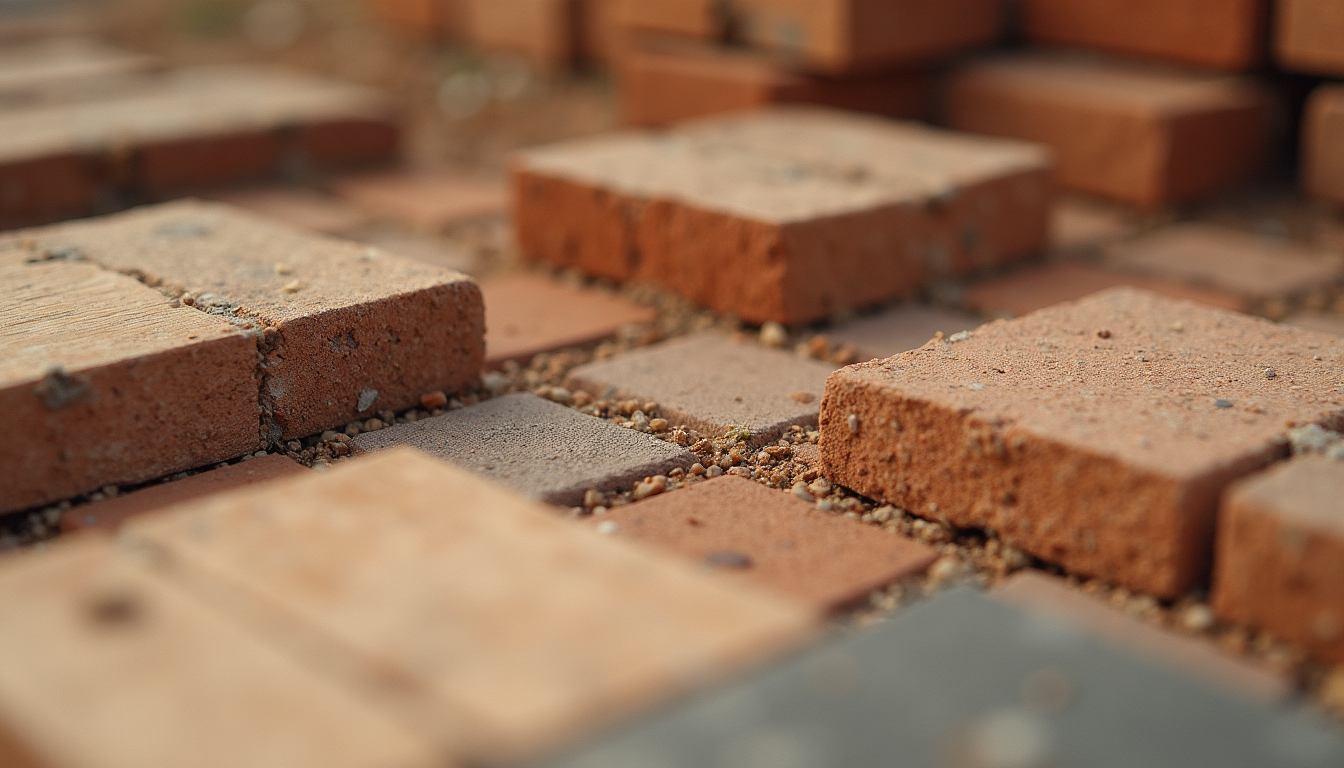
Brick is a durable and timeless material used for walls, pavements, and facades. It is made from clay and fired at high temperatures, resulting in a strong, weather-resistant product.
Advantages:
- Excellent thermal mass
- Fire-resistant
- Low maintenance
Disadvantages:
- Labor-intensive installation
- Limited insulation properties without additional materials
Example: For a classic look, brick can be used in both exterior and interior walls, providing a rustic charm to homes and buildings.
5. Glass
Glass is increasingly popular in modern architecture, offering transparency and light. It is used in windows, facades, and interior partitions.
Advantages:
- Enhances natural light
- Aesthetic appeal
- Can be energy-efficient with proper coatings
Disadvantages:
- Fragile
- Requires careful installation
Example: In commercial buildings, large glass facades can create a striking visual impact while allowing for energy-efficient designs through double or triple glazing.
Innovative Materials to Consider
6. Bamboo
Bamboo is gaining traction as a sustainable alternative to traditional wood. It grows quickly and can be harvested without damaging the ecosystem.
Advantages:
- High strength-to-weight ratio
- Rapid renewability
- Unique aesthetic
Disadvantages:
- Limited availability in some regions
- Requires treatment to prevent pests
Example: In tropical regions, bamboo can be used for structural elements, flooring, and even decorative features, providing a unique look while being eco-friendly.
7. Insulated Concrete Forms (ICFs)
ICFs are a modern construction method that combines the strength of concrete with the insulation properties of foam. They are used for walls in residential and commercial buildings.
Advantages:
- Excellent energy efficiency
- Soundproofing qualities
- Quick installation
Disadvantages:
- Higher upfront costs
- Requires specialized knowledge for installation
Example: ICFs are ideal for energy-efficient homes, providing superior insulation that can significantly reduce heating and cooling costs.
Choosing the Right Materials for Your Project
When selecting materials for your construction project, consider the following factors:
Purpose of the Building: Different materials serve different functions. For example, a commercial building may prioritize durability and low maintenance, while a residential home might focus on aesthetics and comfort.
Budget: Assess the costs associated with each material, including installation and maintenance. Sometimes, investing in higher-quality materials can save money in the long run.
Environmental Impact: Consider the sustainability of the materials. Opting for recycled or renewable resources can reduce your project's carbon footprint.
Local Climate: The climate can affect material performance. For instance, materials that withstand moisture are essential in humid areas, while insulation is crucial in colder climates.
Conclusion
Choosing the right construction materials is a critical step in any building project. By understanding the properties and applications of various materials, you can make informed decisions that enhance the durability, aesthetics, and sustainability of your structure. Whether you opt for traditional materials like wood and brick or innovative solutions like ICFs and bamboo, the right choices will ensure your project meets your vision and stands the test of time.
As you plan your next construction project, take the time to research and evaluate your options. The right materials can make all the difference in achieving a successful outcome.

Comments